

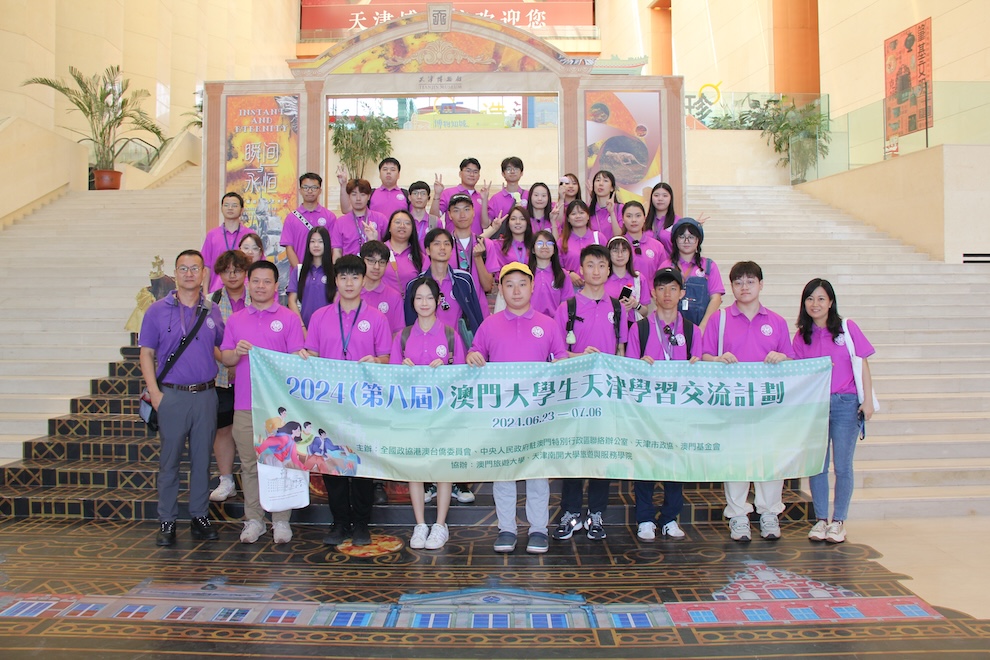
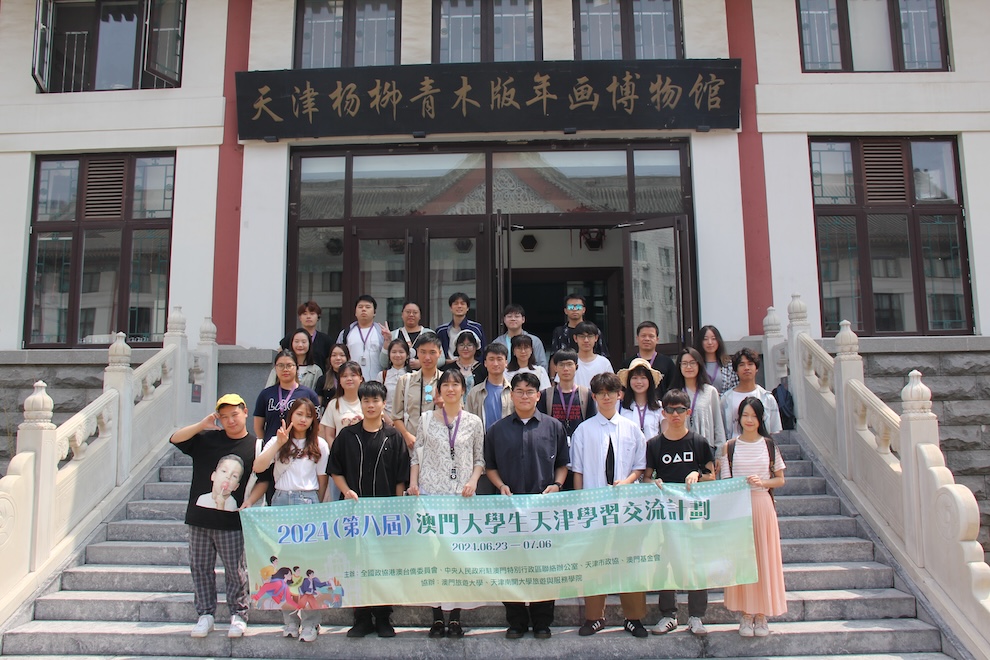
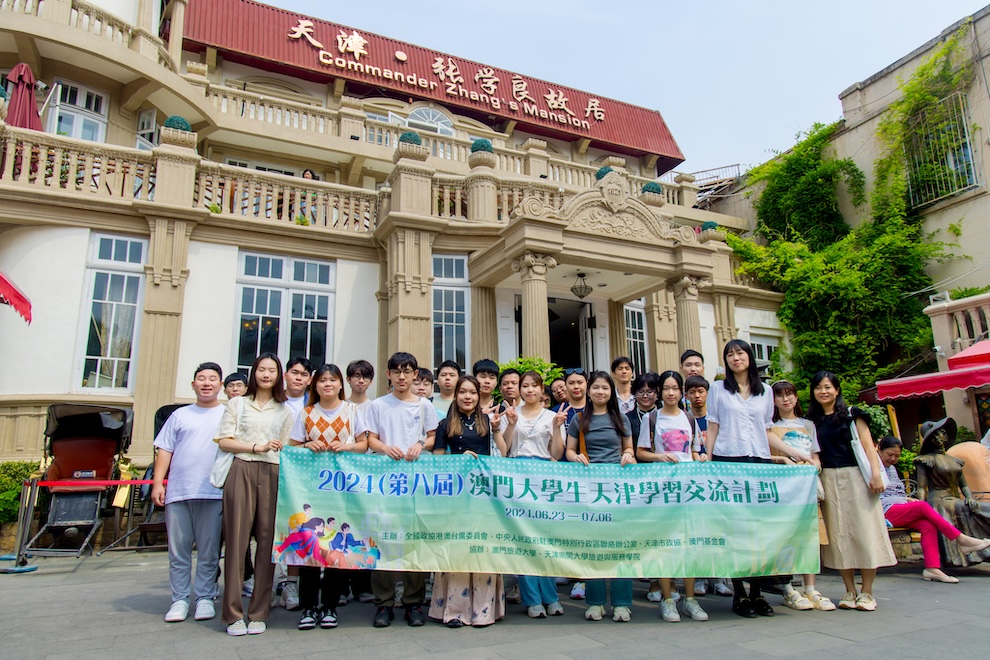
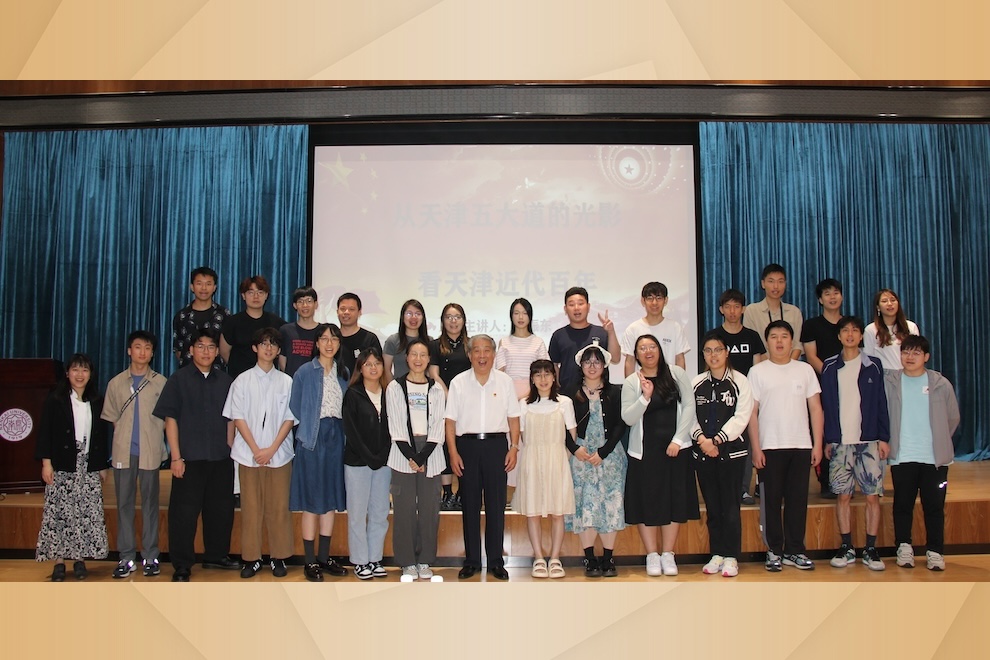
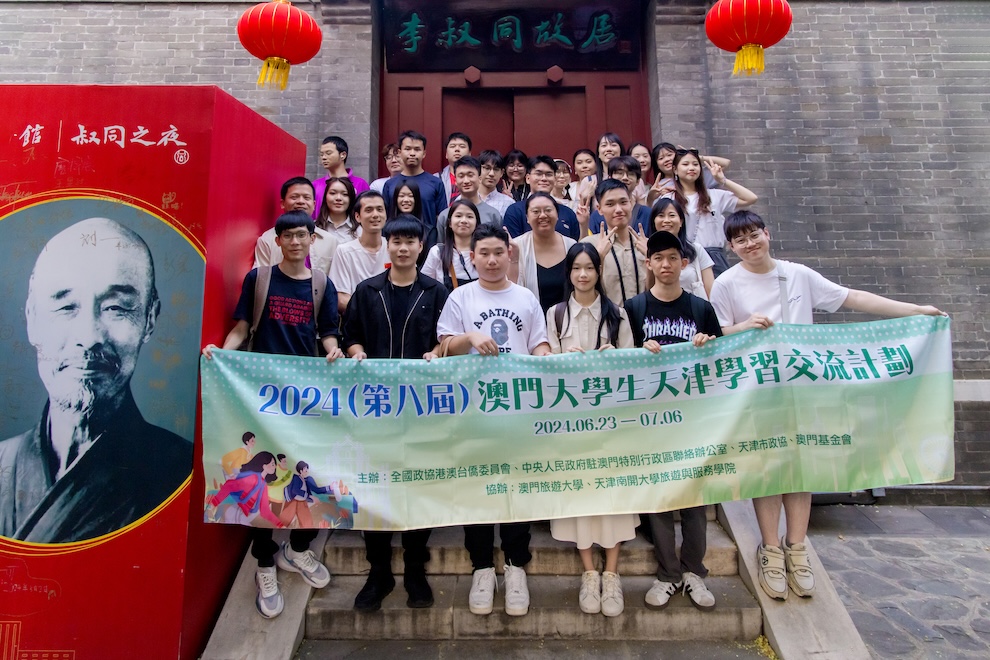
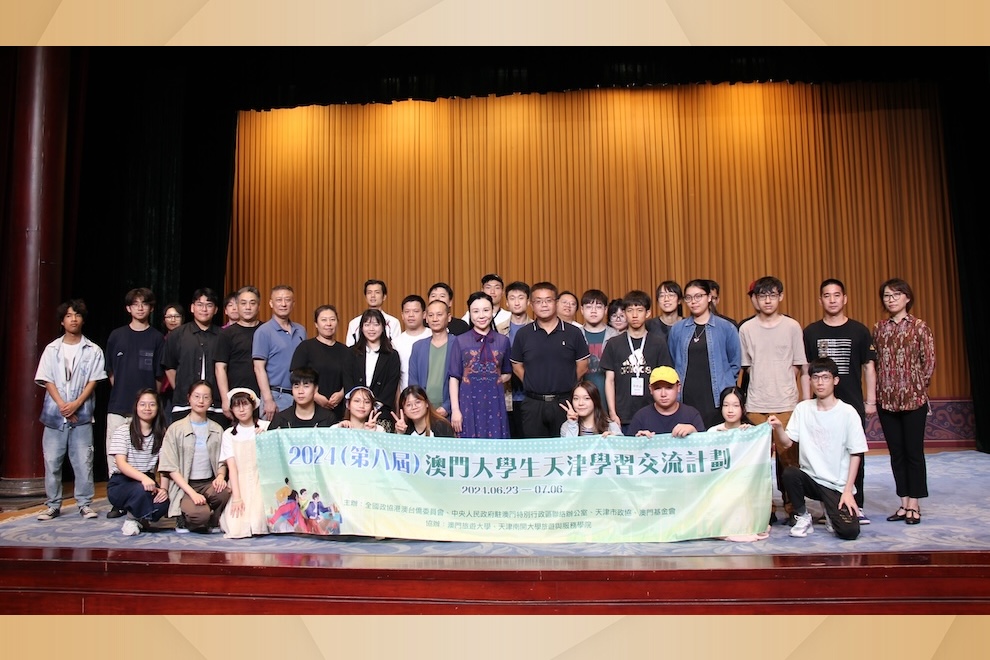
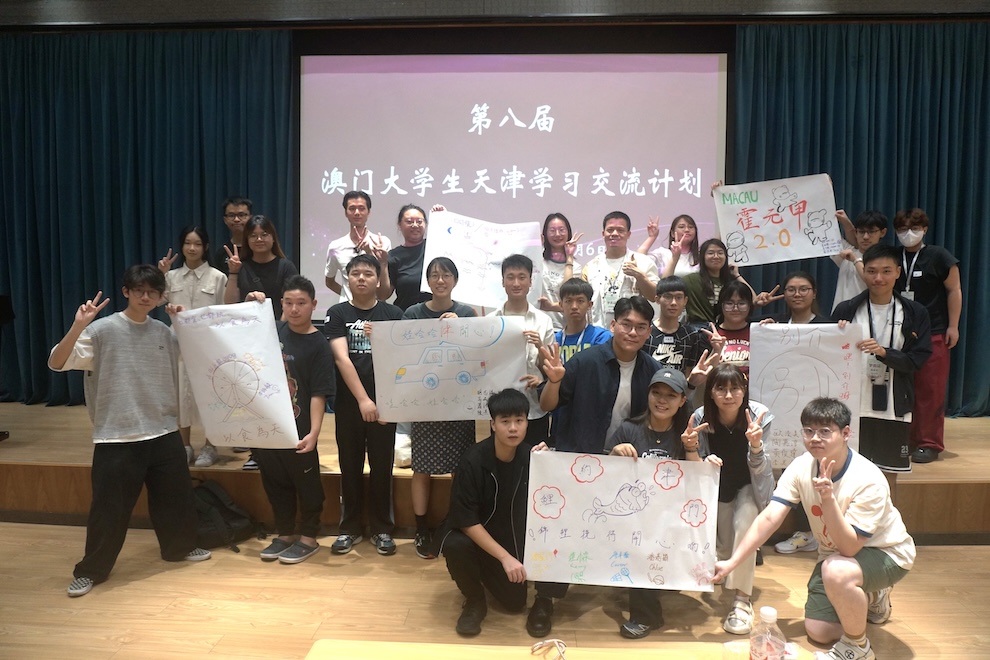
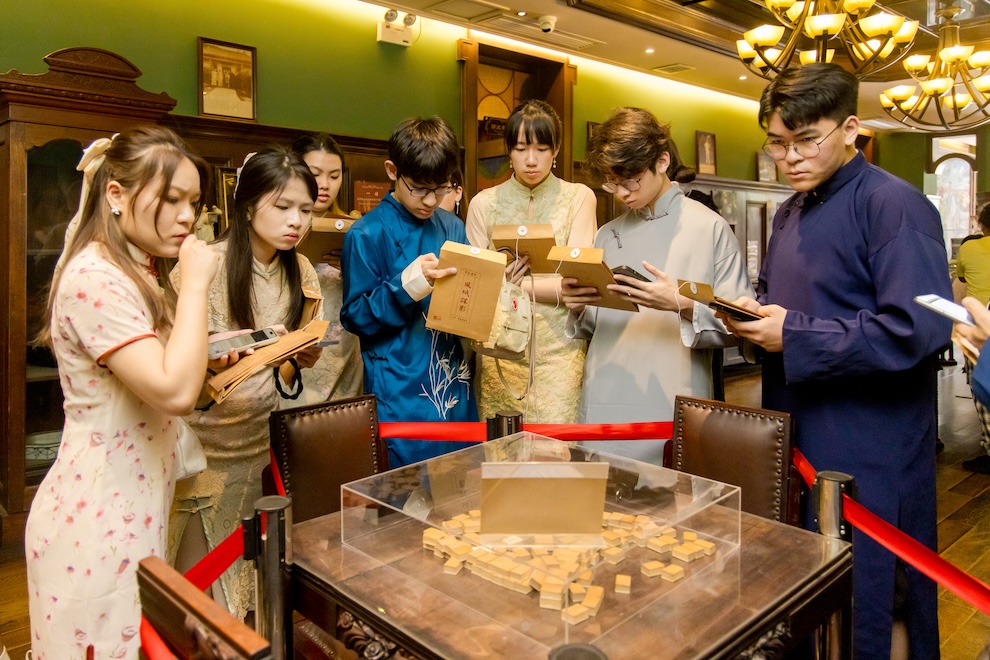

The 2024 Tianjin Exchange Programme for Macao University Students ushered in its 8th edition of the exchange programme series this year
Initiated by Mr. Edmund Ho Hau Wah, Vice Chairman of the National Committee of the Chinese People’s Political Consultative Conference, the programme is jointly organised by the Committee for Liaison with Hong Kong, Macao, Taiwan and Overseas Chinese of the National Committee of the Chinese People’s Political Consultative Conference (CPPCC), the Liaison Office of the Central People’s Government in the Macao SAR, the Tianjin Municipal Committee of the Chinese People’s Political Consultative Conference, the Macao Foundation, and co-organised by the Macao University of Tourism (UTM) and the College of Tourism and Service Management at Nankai University in Tianjin.
The exchange programme lasted 14 days, from 23 June to 6 July 2024. A diverse group of 26 Macao university students, including 11 UTM students and others from the University of Macau, the Macao Polytechnic University, the Macau University of Science and Technology, and the City University of Macau, have joined this tour.
Tianjin is considered by many to be an epitome of China in the past hundred years, and as such, Tianjin holds a special place in telling the story of modern China. The Tianjin exchange programme aims to highlight the city’s rich cultural heritage, vibrant economic development, and innovative technology.
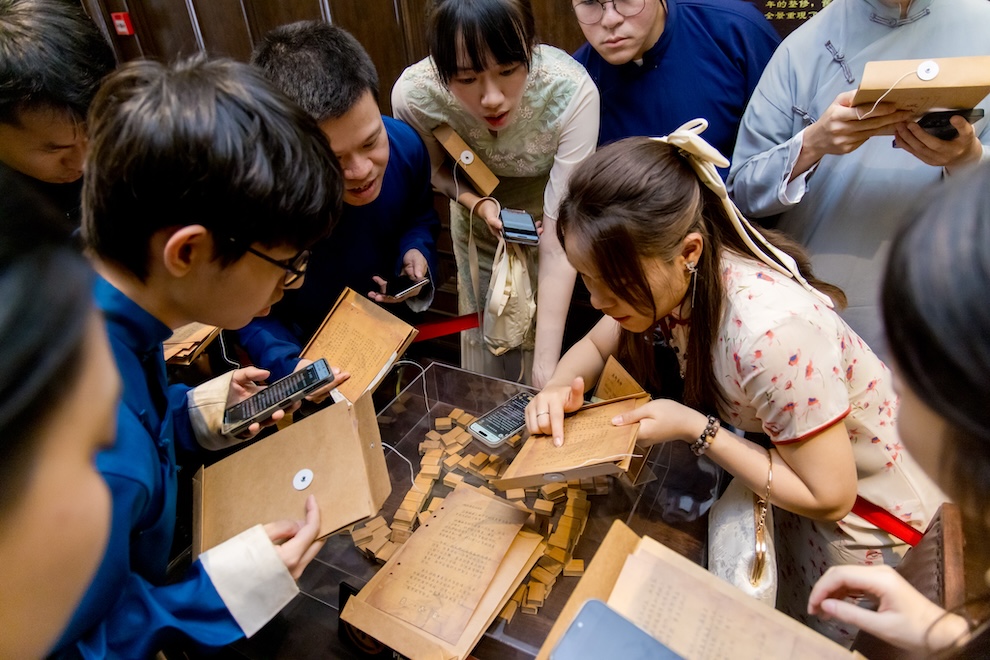
Covering a wide range of topics, the programme is comprehensive and designed to deliver specific learning outcomes. Students can learn more about the unique history and culture of Tianjin, which is characterised by the blending of Chinese and Western cultures, through a wide range of learning experiences, such as lectures, site visits, practical training, hands-on experience, and group discussions. By incorporating history and culture with modern technology, students can also learn about creative approaches to promoting tourism. It thus helps enhance students’ cultural awareness and appreciation.
Historic sites including the Dagukou Fort Ruins, the Five Great Avenues, and the Tianjin Italian Style Area were included in the city excursions for this year’s edition of the programme. Paying visits to these sites allowed students to appreciate Tianjin’s rich and varied past as well as gain a thorough understanding of the value of preserving and passing down cultural heritage. The group also had the opportunity to learn how technological advancements were effectively turned into market-competitive products and services through incubation and support when they visited the Tiankai Higher Education Innovation Park. Students specifically participated in an exchange session with young entrepreneurs to learn about the challenges they faced and the achievements they made along the way, obtaining valuable insights from their experience.
In addition, students enjoyed an immersive experience at Li Shutong’s and Zhang Xueliang’s former residences, which gave them a fresh and enriching perspective on cultural tourism. These two museums serve as a vivid example of the combination of historical and cultural assets with modern business models to accomplish mutual economic and social benefits.
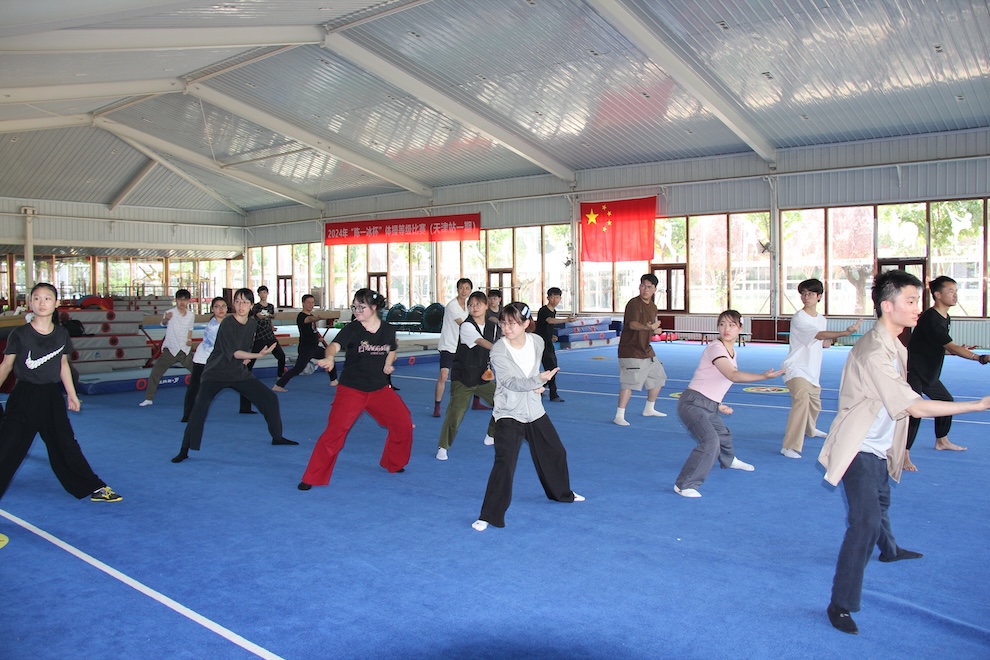
Students also went to the Huo Yuanjia Memorial, where they were taught the value of a strong sense of patriotism through the life of this great martial artist. Students had the opportunity to discover more about Huo’s legendary life, his contributions to the development of Chinese martial arts, and the inspiration he provides as a symbol of national pride.
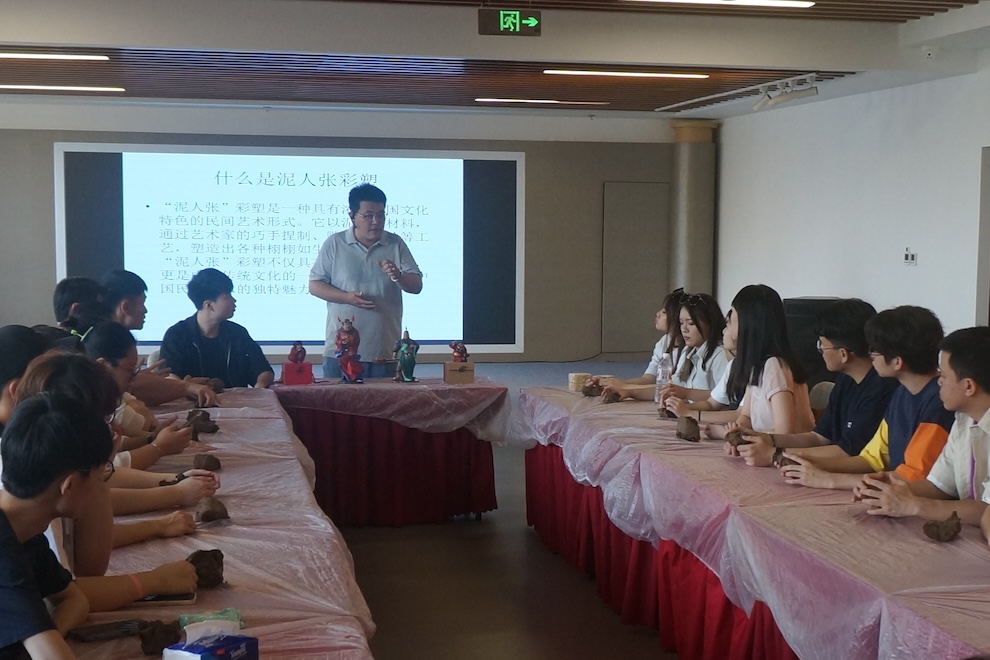
It is important to note that the trip also contained elements of intangible cultural heritage. To illustrate, the group attended traditional Peking Opera and Cross-Talk performances and had hands-on experience in making clay figure Zhang and Yangliuqing New Year paintings. By immersing them in both tangible and intangible cultural heritage, these activities helped students develop a deeper cultural awareness and appreciation.
In conclusion, throughout the trip, students were able to understand the importance of conserving cultural heritage and the integration of history and tourism from the viewpoints of culture, tourism, and the economy. Undoubtedly, this programme provides fresh ideas for future youth exchanges and collaboration between Macao and Tianjin, especially in joining forces in building the future for the country and the two cities.
Content: UTM Lecturers Ashley Kuong Ka Man and Kitty Fong Kit Sam
Editor: UTM Public Relations Team


攻讀酒店管理學士學位-74x55.jpeg)
