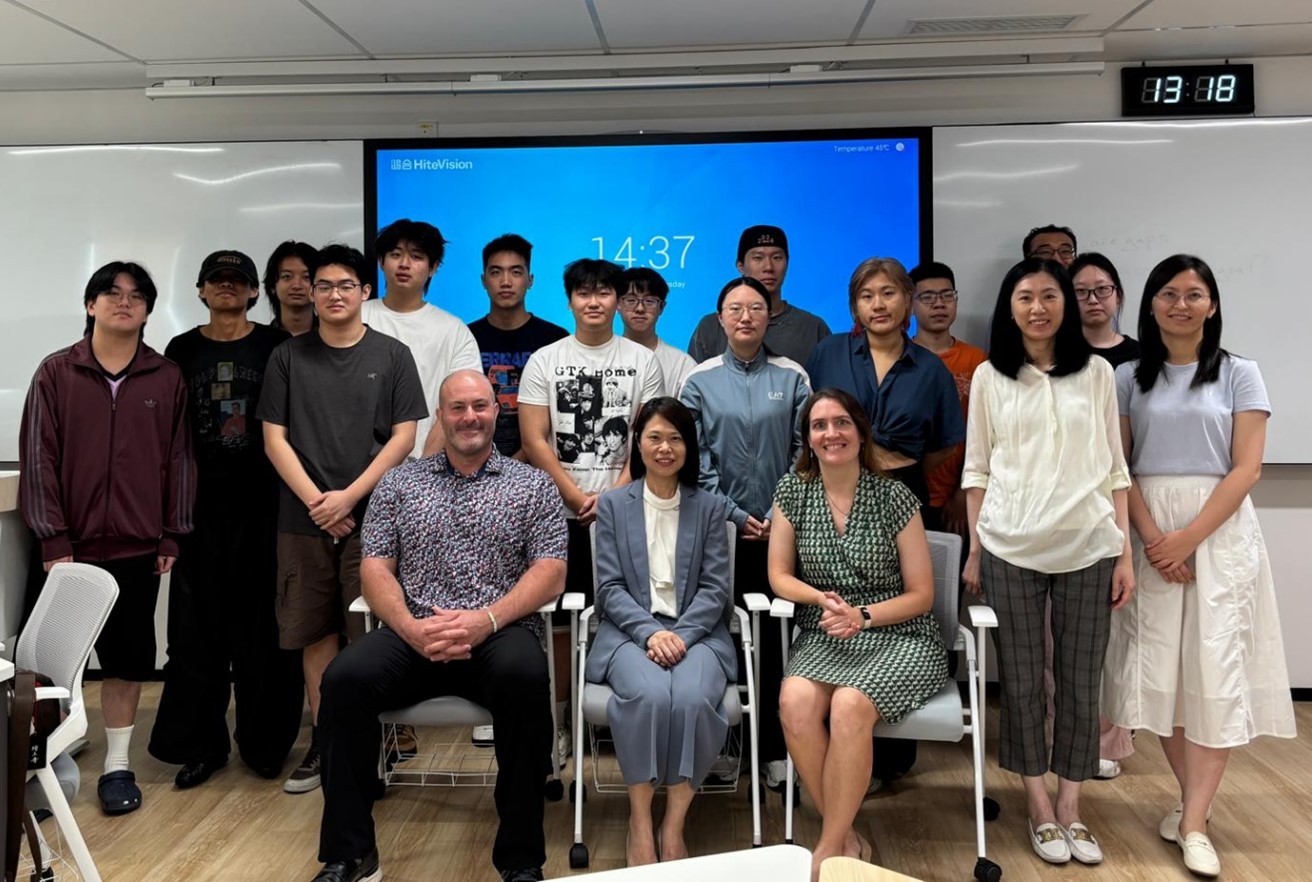
Macau, 22 October 2026 – The growing importance of sustainability reporting in the hospitality and tourism industry was the focus of a recent guest lecture at Macau University of Tourism. The lecture, titled “Sustainability Reporting Regulations and Procedures in Macau's Integrated Resorts,” was delivered by Ms. Angel Vong, a sustainability reporting specialist and Principal of Arcway Strategic Advisory Limited on 21 October 2026 at UTM's Taipa campus. Ms. Vong has extensive experience developing and auditing sustainability reports for organisations in Macau’s integrated resort sector.
Speaking to students and faculty members, Vong explained how sustainability reporting has evolved from a voluntary communications activity into a strategic business function. Today, it supports corporate governance, risk assessment and management, stakeholder engagement, and long-term business planning.
The presentation explored the increasing global demand for environmental, social and governance (ESG) disclosures. Regulators, investors, financial institutions, customers, and business partners are placing greater emphasis on transparency and accountability. As a result, organisations are facing increasing demands to disclose how they manage sustainability-related risks, opportunities, and impacts.
Vong highlighted that reporting requirements are becoming more comprehensive across many jurisdictions. New regulations and reporting standards encourage organisations to provide reliable information about their environmental, social, and governance performance. These developments reflect a broader shift toward responsible and sustainable hospitality business operations.
Although Macau does not currently require mandatory sustainability reporting, many organisations in the region report to meet stock exchange and parent company requirements while aligning with international standards. Sustainability reports have become an important tool for communicating performance, building stakeholder trust, and demonstrating progress toward environmental and social goals.
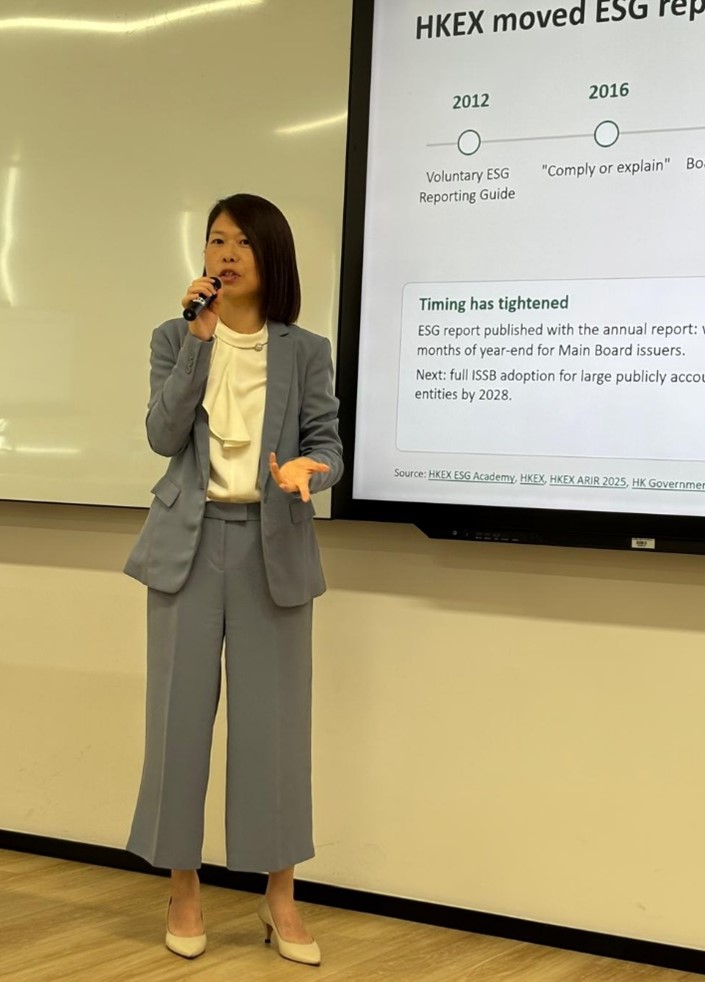
A significant part of the lecture focused on practical steps in the reporting process. Vong explained that preparing a sustainability report requires collaboration across different departments throughout the year. Organisations must engage with stakeholders to identify their key sustainability topics, collect and verify data, monitor regulatory developments, and prepare sustainability reports that meet recognised standards. Reports typically undergo several levels of review before receiving final approval from senior management and the board.
The presentation also emphasised the value of stakeholder engagement. Employees, customers, investors, suppliers, government agencies, and community organisations all influence sustainability priorities. Meaningful engagement helps organisations understand expectations, identify emerging risks, and improve decision-making.
The lecture provided participants with practical insight into one of the fastest-growing areas of modern hospitality business practice. As expectations for corporate transparency continue to increase, sustainability reporting is expected to remain an essential tool for measuring performance, informing stakeholders, and supporting long-term sustainable development.
Macau University of Tourism works closely with hospitality and tourism organizations within and outside Macau. Guest lectures like this provide students and faculty members with up-to-date industry insights while strengthening links between the classroom and industry.